
The difference between a resin screed and a resin coating comes down to thickness, application method, and intended performance. In most cases, a resin coating is applied at a thinner film build than a resin screed and is laid using rollers or brushes, whereas screeds are trowel applied to form a thicker, seamless surface.
Both systems deliver excellent performance when correctly specified, but each suits a different environment. A resin coating can still provide impressive durability, chemical resistance, and scratch protection, while a resin screed offers enhanced impact strength, thermal shock resistance, and longevity. The right system depends on factors such as substrate preparation, installation thickness, and the type of resin flooring product chosen.
If you are unsure which system is best for your site, our team can advise you. Monarch Resin Floors has over 35 years of experience as a family-run business delivering industrial resin flooring and commercial resin flooring solutions across the UK. We can help you decide whether a resin screed or resin coating will meet your performance, hygiene, and budget requirements.
Tell us what your floor needs to achieve; whether it must be decorative, chemical resistant, or suitable for wet and hygienic environments such as food and drink flooring or pharmaceutical flooring. Simply complete the contact form below or visit our contact page to speak to a member of our technical team for expert, no-obligation advice.
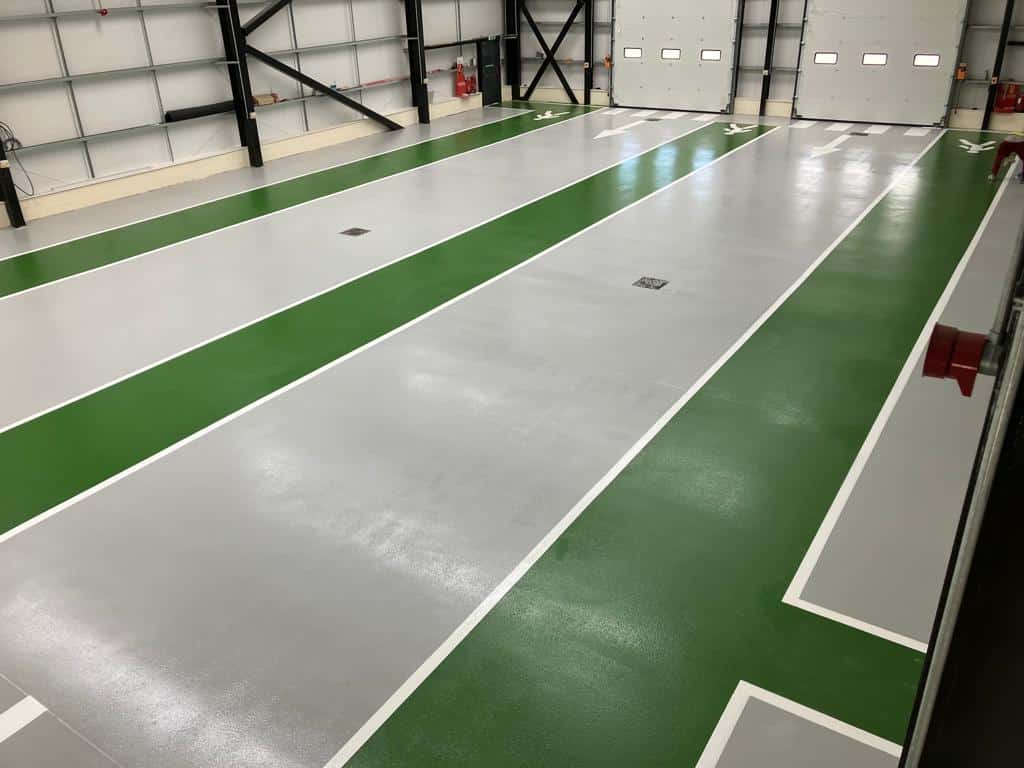
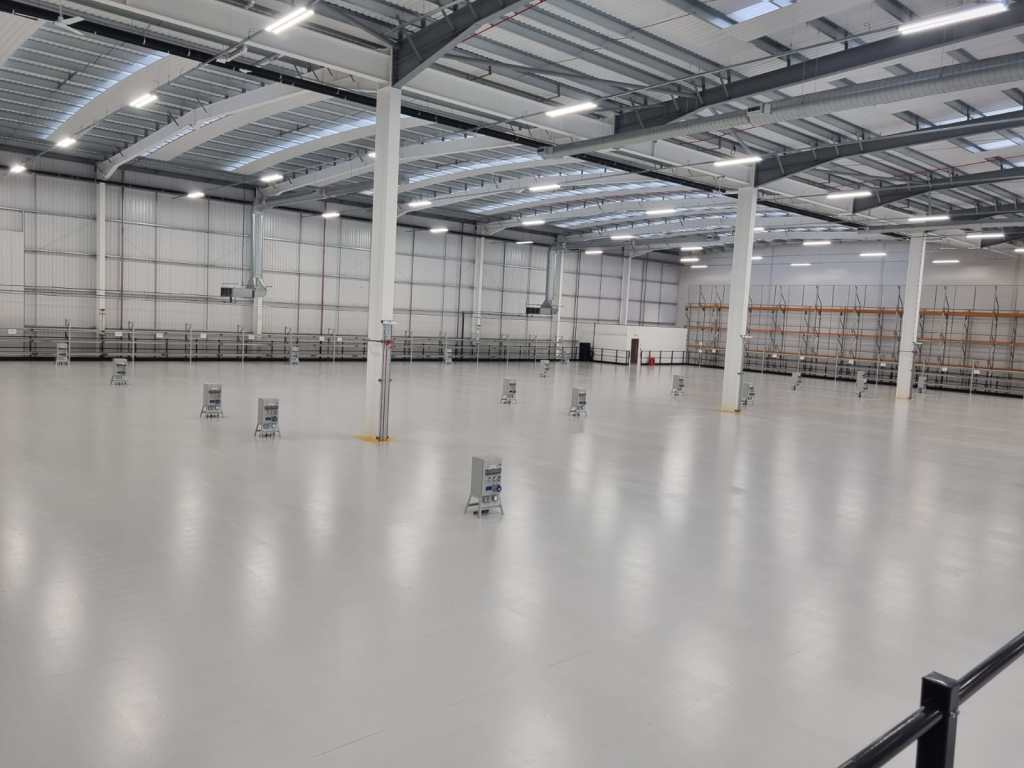
A resin screed is a trowel-applied flooring system that combines resin and graded aggregates to create a strong, seamless finish.
These screeds are typically applied at 4–9 mm thickness, offering high compressive strength and excellent chemical resistance. They are ideal for areas exposed to heavy mechanical wear, thermal shock, or regular cleaning, such as in food production or manufacturing.
Depending on formulation, resin screeds may be epoxy-based or polyurethane-based, providing long-term durability and hygienic performance. They are classified under FeRFA Type 6 to Type 8 systems.
A resin screed will generally be the more durable option than a coating. This does, however, mean that there is more material being used which can lead to higher costs. As well as this factor, the level of skill needed to install a resin screed may be higher than a coating. These are all things which will need to be considered.
However, when looking into the costing of resin flooring options although a resin screed may cost more to install, it is likely to last longer than a resin coating. This is due to the thickness in which it is installed.
You may find that a resin screed will be suggested if you have an uneven floor. This is because of the way the floor is installed, as it is hand trowelled the end appearance of an uneven floor may be better than if using a resin coating.
You may also find a resin screed in the harshest environments. This will include heavy industrial and commercial settings. This is a hygienic resin floor screed which you would find in settings such as GPs, Dental Practices and Hospitals. Even though it is a trowel applied resin, the resin screed can also come in a range of decorative options such as coloured quartz.
Here are some advantages of using a screed form of resin. Remember that all products are different, and all products have their own advantages. It is important to talk to your resin flooring contractor if there is a specific need such as UV stability or durability which you need to be met. These are the general advantages of resin screeds:
Areas where a resin screed may be the most suitable product to be installed:
There are many epoxy resin screed products which can be installed, and we are trusted installers for many different resin manufacturers. As well as installing their products we have some of our own which we use. An example of an epoxy resin screed which we install from our own range is Monarquartz. Monarquartz is a decorative resin-based floor screed which presents the end user with the option to design a floor which is unique and offers the highest level of durability.
This resin screed creates an excellent, durable, aesthetically pleasing floor available in a blend of standard colours or using the option of customer colour blend – can be produced to an infinitive design. There is also a flexible grade of Monarquartz, it is available for application to substrates which are subject to movement-such as steel mezzanine decks and wooden floors. This is called Monarquartz FX.


resin coating is a roller or brush-applied system, usually consisting of one or more coats of epoxy or polyaspartic resin. Coatings are thinner than screeds, generally between 0.3 mm and 0.8 mm, and are classed as FeRFA Type 1 to Type 3 systems.
Although thinner, they provide a durable, dust-free, easy-clean finish for light to medium-duty areas. Resin coatings are often used for warehouses, workshops, and commercial facilities where a clean and professional appearance is required, but the mechanical load is moderate. They can be installed in several layers to achieve desired effects.
They can also serve as a protective topcoat over existing screeds or concrete substrates to enhance appearance and surface strength.
Unlike a resin screed, a resin coating is flow applied using a back and forth motion with a roller. Because of this, it is an easier floor to lay. As a result, a resin coating can be a less expensive option when considering a resin flooring system. This is also due to a resin coating needing less material than a screed as it does not need the same level of thickness.
Another reason a resin coating may be used is that it is a quicker material to lay. In a busy factory setting, a floor which is quick and easy to lay is essential. Unlike a resin screed, resin coatings can be polyaspartic which is a fast-cure resin system.
There are many advantages to installing resin coatings, these are all the dependent on the product which is being installed. Here are some of the advantages which can be achieved with the right resin coating installed:
Monarcoat 700 is an epoxy resin coating used where a fast-cure is required. It is an attractive, dust-free chemical and abrasion resistant floor coating. Monarcoat 700 is based on a blend of epoxy resins, mineral fillers and solvents.
Moreover, Monarcoat 700 is mainly used to make resin lines and chevrons. These mark out areas to be kept clear or create walkways for example. Monarcoat 700 can be loaded with high pigment levels to produce white and safety yellow colours without opacity problems.
Because it has fast-cure properties, areas and lines can be marked out and coated, and be re-coated within a few hours. Monarcoat 700 is a two pack product. Add the contents of the hardener into the base tin and stir mechanically for 2-3 minutes.
Applied by medium pile roller (or radiator roller for lines) in two separate applications.


The main differences between a resin creed and resin coating are the thickness, method of application, level of durability and overall cost. Here is a table to better explain them.
| Property | Resin Screed | Resin Coating |
|---|---|---|
| Typical Thickness | 4 to 9 mm | 0.3 to 0.8 mm |
| FeRFA Classification | Type 6 to 8 | Type 1 to 3 |
| Application Method | Trowel applied | Roller or brush applied |
| Mechanical Strength | Heavy duty | Light to medium duty |
| Chemical Resistance | High | Moderate |
| Slip Resistance | Adjustable with aggregates | Adjustable with topcoat |
| Cure Time | 24 to 48 hours | 12 to 24 hours |
| Lifespan | 10 to 15 years | 5 to 8 years |
| Ideal Environments | Food, pharma, heavy industry | Warehouses, commercial, retail |
Disclaimer: The values provided above are indicative and may vary depending on the specific resin product used, the installation method, and the quality of surface preparation or site conditions. Always seek professional advice and ensure your resin flooring system is installed by qualified contractors to achieve the desired performance.
What is the difference between resin screeds and resin coatings?
Resin screeds are thicker, trowel-applied systems designed for heavy-duty use, while resin coatings are thinner, roller-applied systems ideal for light to medium-duty areas.
Which lasts longer, a resin screed or a coating?
Resin screeds typically last longer due to their greater depth and strength, but coatings can provide excellent service life when correctly installed and maintained.
Can a resin coating be applied over an existing screed?
Yes, provided the surface is sound and properly prepared. Resin floor preparation and industrial floor repairs can be carried out first if necessary.
Are resin screeds hygienic?
Yes. They are seamless, non-porous, and resistant to bacteria and chemical attack, making them suitable for food, drink, and pharmaceutical facilities.
How do I know which is right for my site?
Monarch’s technical team can assess your environment and recommend the best option for durability, safety, and budget. Use the form below or visit contact Monarch Resin Floors to arrange a free consultation.
Choosing between a resin screed and a resin coating depends on several key factors including the substrate condition, intended use, and performance requirements of your environment. The best approach is always to seek advice from an experienced resin flooring contractor before committing to a system specification.
At Monarch Resin Floors, we provide free technical advice and on-site surveys to help you identify the most suitable resin flooring system for your project. With over thirty years of industry experience, we have built a trusted reputation across the UK as SafeContractor approved members of the Resin Flooring Association (FeRFA).
If you would like expert guidance or a detailed quotation, complete the enquiry form below or visit our contact page to get in touch. You can also speak to our technical team directly at our Dronfield office for tailored advice on resin screeds, resin coatings, or any other industrial resin flooring requirement.
We would love to speak with you about your resin flooring project.
Feel free to reach out using the below details or fill out the contact form and a member of our team will get in touch with you within 48 hours.
We never pass on any of your information to third parties and will only get in touch about the flooring project your enquiring about.
We never pass on any of your information to third parties and will only get in touch about the flooring project your enquiring about.