
The lifespan of a resin floor can vary significantly from one project to another. Some resin floors continue to perform well for many years, while others show signs of wear much earlier than expected. This difference is rarely down to the resin product alone.
In practice, the lifespan of a resin floor is influenced by a combination of factors. These include the condition of the concrete substrate, how the floor has been prepared, the type of system installed, and how the space is used and maintained over time. When these elements are considered together, resin flooring can offer reliable long term performance. When they are overlooked, issues can develop much sooner.
This guide explains what affects the lifespan of a resin floor, focusing on design, preparation, environment, and ongoing care. Rather than giving fixed timeframes, it looks at the practical factors that influence durability and performance, helping to set realistic expectations for industrial and commercial resin flooring projects.

Written by: Monarch Resin Floors
Last Updated: March 2026

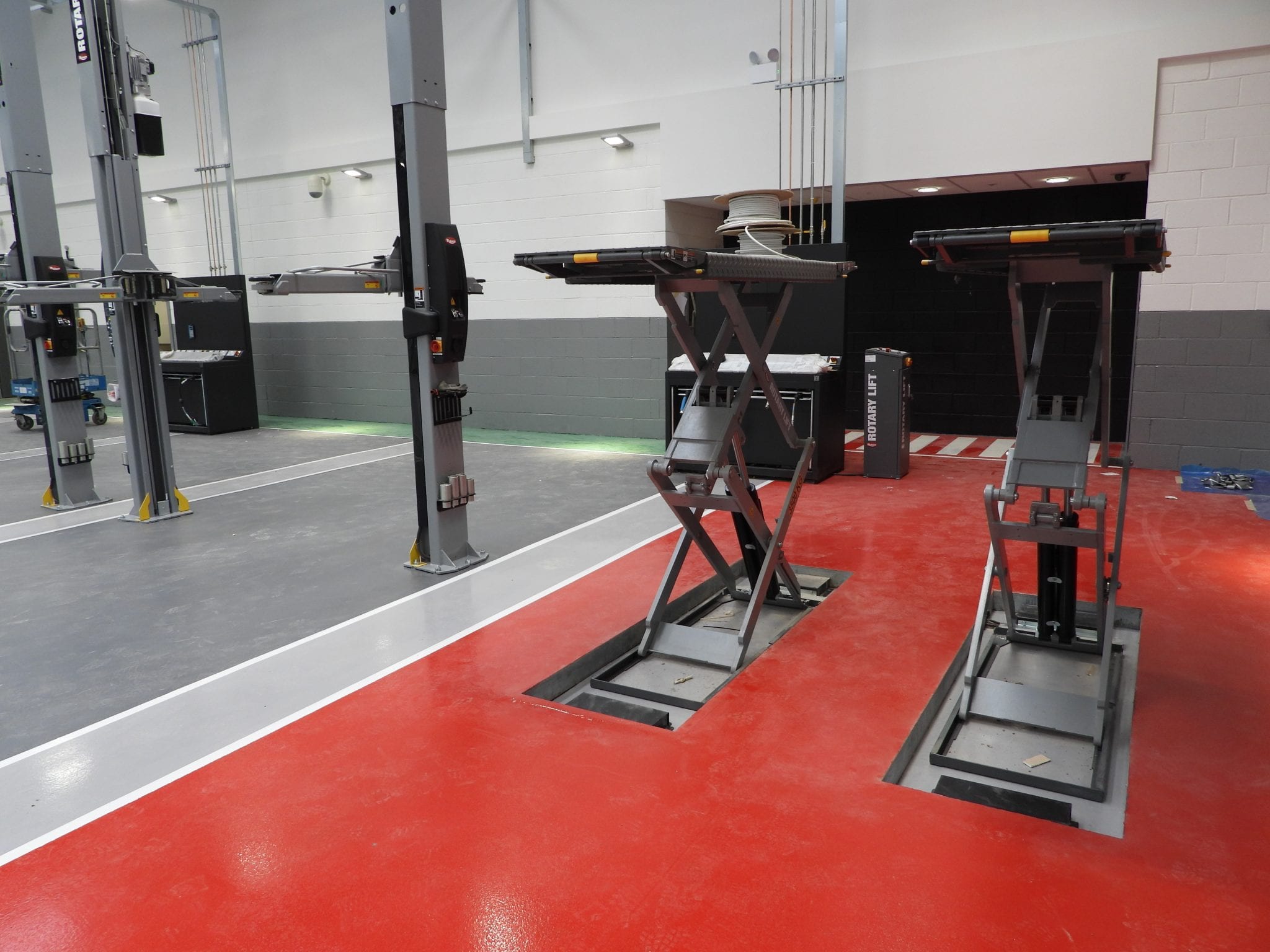

When discussing the lifespan of a resin floor, it is important to understand what this term actually refers to. Lifespan does not usually mean that a floor will remain visually perfect for a fixed number of years without any change. Instead, it refers to how long the floor continues to perform as intended within its environment.
In practical terms, a resin floor is considered to be within its service life while it remains bonded to the substrate, structurally sound, and suitable for the level of traffic and use it was designed to accommodate. Over time, surface wear, changes in appearance, or the need for local repairs do not necessarily mean the floor has failed.
The expected lifespan of a resin floor is therefore linked to performance and serviceability, rather than appearance alone. Floors designed for heavier use, harsh environments, or frequent cleaning will experience wear differently to those installed in lighter duty areas. This is why lifespan should always be considered in relation to system design, usage conditions, and maintenance, rather than as a single fixed timeframe.
The condition of the concrete substrate plays a major role in the lifespan of a resin floor. Resin flooring systems rely on adhesion to the substrate, which means the performance of the finished floor is closely linked to the quality and integrity of the concrete beneath it.
Before any resin flooring is installed, the substrate should be structurally sound, free from contamination, and correctly prepared. Weak surface layers, laitance, oil contamination, or residual coatings can all reduce adhesion and may shorten the service life of the floor if not addressed.
Mechanical preparation methods such as Shot Blasting & Diamond Grinding are used to remove surface contamination and create a suitable key for the resin system. This process helps ensure the resin bonds effectively to the concrete rather than sitting on top of it. Where preparation is inadequate, even a well specified resin flooring system may fail to perform as intended.
Substrate condition also includes factors such as surface flatness, cracking, and previous repairs. These issues do not automatically prevent resin flooring installation, but they do need to be assessed and managed as part of the overall system design. This is why Industrial Floor Preparation is a critical stage in achieving reliable long term performance from any resin floor.
The design of the resin flooring system has a direct influence on how long the floor is able to perform in service. A resin floor is not just defined by the surface layer, but by the way the entire system is built up to suit the conditions of the space.
System design includes decisions around layer thickness, number of coats, and whether additional elements such as primers, body layers, or moisture control systems are required. A floor designed as a simple coating will behave very differently to a floor installed as a multi layer system, particularly under higher traffic or more demanding conditions.
Where system design does not match the environment, the lifespan of the floor can be reduced. For example, a coating specified in an area with regular mechanical traffic may wear more quickly than expected, while a properly designed system can distribute loads and resist wear more effectively over time. This distinction is explored in more detail in our guide to Resin Flooring Systems Explained: Coatings vs Full Systems.
By designing the resin floor as a system rather than selecting a single product, performance is engineered into the build up from the outset. This approach allows the floor to cope with day to day use more predictably and supports a longer service life under the conditions it was designed for.
The environment in which a resin floor is installed and the way it is used on a daily basis both have a significant impact on its lifespan. Even a well designed resin flooring system will perform differently depending on traffic levels, loading, and operating conditions.
Areas exposed to constant footfall, wheeled traffic, forklifts, or pallet movement place greater stress on the floor surface than low traffic spaces. Similarly, environments that involve frequent cleaning, spillages, or exposure to chemicals can accelerate surface wear if the system has not been designed with these conditions in mind.
Temperature also plays a role. Resin floors installed in areas subject to temperature fluctuations, cold storage, or thermal shock may experience movement within the substrate or system. Over time, this can affect performance if the system has not been selected to accommodate those conditions.
These factors are particularly relevant in industrial settings such as Warehouse Flooring, production areas, and distribution facilities, where resin floors are expected to withstand continuous use. Understanding how the space will operate is essential when designing a system that delivers reliable long term performance rather than premature wear.
Moisture within the concrete substrate is one of the most common factors influencing the lifespan of a resin floor. Even when a floor appears dry at the surface, residual moisture can migrate upward through the slab over time and affect adhesion if it is not properly assessed and managed.
Where moisture levels are higher than expected, resin floors that have not been designed to accommodate this movement may be at greater risk of blistering, debonding, or premature wear. This is why moisture testing and appropriate system selection form an essential part of the design process rather than an afterthought.
Contamination can present similar challenges. Substrates affected by oil, grease, or historic chemical spillages may prevent effective bonding if these issues are not addressed during preparation. While mechanical preparation removes surface contamination, residual contamination within the concrete may still influence long term performance if not accounted for during system design.
The role of primers and moisture management layers is explored further in our guide to Understanding Floor Primers, which explains how different conditions require different approaches. Managing moisture and contamination effectively at the design stage helps support predictable performance and extend the working life of the floor.
The ongoing maintenance of a resin floor plays a significant role in how long it continues to perform in service. While resin flooring is often selected for its durability and ease of cleaning, no floor is completely maintenance free.
Regular cleaning helps prevent the build up of abrasive debris that can gradually wear the surface. The choice of cleaning methods and products also matters. Aggressive cleaning techniques or unsuitable chemicals can accelerate surface wear, particularly over time, even where the original system was well designed.
In many environments, surface wear is expected as part of normal use. This does not necessarily indicate system failure. Instead, planned maintenance, such as localised repairs or renewal of a surface seal, can help extend the functional life of the floor without the need for full replacement.
A resin floor that is correctly maintained in line with its intended use is more likely to deliver consistent performance over a longer period. Maintenance should therefore be viewed as part of the overall flooring strategy rather than a response to visible issues alone.
| Factor | How It Influences Lifespan |
|---|---|
| Substrate condition |
|
| Surface preparation |
|
| System design and build up |
|
| Environment and use |
|
| Moisture and contamination |
|
| Maintenance and care |
|
Resin floors do not usually deteriorate early without a reason. In most cases, reduced lifespan can be linked to one or more contributing factors. Without a site inspection and full project history, these should always be viewed as possible causes rather than definitive explanations.
Common factors that may contribute to early deterioration include:
It is important to note that resin flooring performance is influenced by how a space is used over time. Changes to operations, maintenance routines, or loading conditions can all affect how a floor wears, even where the original installation was appropriate.
The lifespan of a resin floor is not determined by a single factor. It is the result of how well the substrate condition, system design, environment, and ongoing maintenance are understood and aligned from the outset of a project.
Rather than asking how long a resin floor should last in years, it is more useful to consider whether the floor has been designed to suit the way the space is used. Floors that perform well over time do so because the system build up matches the conditions they are exposed to, not because a particular resin type has been selected in isolation.
This is why professional assessment plays such an important role in resin flooring projects. Understanding the condition of the concrete, how the area will operate, and what level of performance is required allows the system to be designed appropriately from the start. This approach helps reduce the risk of premature wear and supports more predictable long term performance.
When resin flooring is viewed as a designed system rather than a surface finish, it becomes easier to make informed decisions that balance durability, maintenance, and realistic expectations over the life of the floor.
As resin flooring contractors, our role is to assess each project on its own merits and recommend a solution that reflects the conditions, usage, and performance requirements of the space. This includes advising on system design, preparation requirements, and long term maintenance considerations that can influence the lifespan of the floor.
Our approach considers the full picture, from the condition of the concrete substrate through to how the area will be used day to day. This allows resin flooring systems to be designed with real operating conditions in mind, rather than relying on assumptions or generic specifications.
We work across a wide range of industrial and commercial environments, including Factory Flooring, production areas, and specialist facilities, where durability and reliability are essential to daily operations. By focusing on system performance rather than individual products, we aim to deliver resin floors that perform consistently over time and support realistic service life expectations.
The information provided in this article is intended for general guidance only. The lifespan and performance of a resin floor are influenced by a wide range of factors, including substrate condition, moisture levels, system design, installation methods, environment, use, and ongoing maintenance.
All resin flooring systems and coatings should be specified following a site-specific assessment, including appropriate substrate testing where required. Installation should be carried out in accordance with the manufacturer’s current technical data sheets, relevant British Standards, and The Resin Flooring Association guidance by qualified resin flooring contractors.
Product formulations, technical data, and recommended installation methods may change over time. Users should always refer to the latest manufacturer documentation and safety data sheets before specification or application. Monarch Resin Floors accepts no responsibility for changes to manufacturer specifications or for site conditions that may affect system performance.
If You Need Advice on Your Resin Flooring Project
If you are planning a resin flooring project or have questions about system performance and lifespan, professional guidance can help ensure the right decisions are made from the outset.
At Monarch Resin Floors, we offer:
Free site surveys to assess substrate condition and usage requirements
Technical advice on resin flooring systems, preparation, and suitability
Over 35 years of experience delivering resin flooring across industrial and commercial environments
A practical, system-led approach shaped by three generations of resin flooring expertise
Whether you are reviewing an existing floor or planning a new installation, early assessment and informed system design can make a significant difference to long term performance.
We would love to speak with you about your resin flooring project.
Feel free to reach out using the below details or fill out the contact form and a member of our team will get in touch with you within 48 hours.
We never pass on any of your information to third parties and will only get in touch about the flooring project your enquiring about.
We never pass on any of your information to third parties and will only get in touch about the flooring project your enquiring about.