
Resin flooring is a durable and versatile flooring option created by applying a liquid resin to a prepared substrate. This resin forms a seamless, hard-wearing surface that resists stains, chemicals, and wear. Resin flooring is commonly used in commercial and industrial settings, as well as in residential applications. This seamless flooring material can be made from reactive thermoset resins such as waterborne, solvent-based, or solvent-free urethanes, polyaspartics, and epoxies. Once cured, the resinous material creates a completely seamless floor covering.
The term resin flooring is used when a resinous material is laid onto a floor as a floor covering or coating. This is usually achieved by using an epoxy resin or a polyurethane resin screeding material. It also applies to polyaspartic resins which are a fast curing resinous material.
Resin flooring is widely used in industrial settings such as factories, manufacturing /processing plants, storage facilities and warehouses. As well as being a main floor surface for garages, workshops and other automotive flooring. For more information about the resin flooring which we install, head to the contact page by clicking the link below.

With so many different types of flooring to choose from, why do people opt for resin?
One of the main benefits of using resin for your factory or industrial floor is its heavy-duty nature. Depending on the product used and the thickness applied, a resin flooring system can withstand heavy machinery as well as vehicles like forklift trucks. It truly is a versatile material.
Resin comes in various types and systems, each offering specific advantages for flooring. For instance, grip systems or anti-slip systems are utilized in areas where additional traction is necessary. This is particularly relevant for automotive workshops or factories where liquids and spills are common. Other systems boast high chemical resistance. A polyurethane resin floor offers significant resistance against chemicals used in the brewing process, making it ideal for breweries and distilleries. Chemical resistance is also a critical factor if you’re seeking a floor that needs to remain highly sanitized, such as hospital-grade floors and food-grade flooring. The cleaning chemicals that may damage certain floors will not affect specific resinous products.
There is indeed a wide range of resin flooring products and systems available. Selecting the right one can be challenging. That’s why we are here to provide the assistance and advice you may need. We will ensure that you choose the right resin flooring to fit your commercial space or manufacturing plant. Head over to our contact page to find all the ways in which you can reach us. We respond to all emails within two working days and make sure that all your queries are addressed.

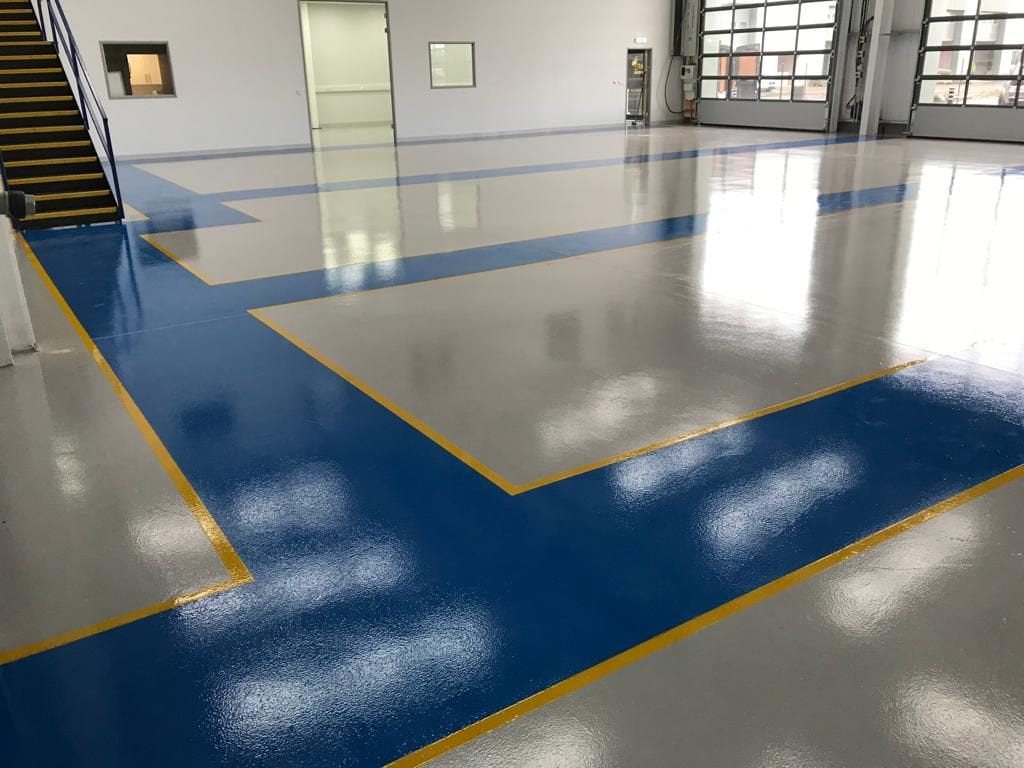
Firstly we will look at the science of resin floors, just to give you a bit of an insight. To install a resin flooring system, you mix a synthetic resin with a hardener at the time of application. This mixture then forms a strong resin when left for a specified cure time. There are many products which you can choose, and they all have different cure times. It is best to understand how long it may take to install the floor when choosing your resin product.
To create grip in a resin floor, a flooring contractor will add in specialist aggregate. They can add different levels of aggregate depending on how much grip is needed on a floor.
Also, resins can come in different colours, this is achieved by manufacturers beforehand. This is one way in which resin can be customised to how you want it. As well as this, you can create a flake finish pattern to a floor by adding in small pieces of vinyl during installation. The colour of the flakes can be made to any RAL or British Standard colour. This can then be added to more colours to create a patterned blend. Flake finish floors are popular in domestic and commercial flooring applications.
Usually, a resin floor will need between 1 and 3 coats depending on the desired effect/properties of the floor. Certainly, the more complex the design, the more coats may be needed and the longer it will take before the floor is finished. In cases like this, a polyaspartic element may be a time saver if you are looking for a fast cure resin floor paint or coating which is ready much sooner.
Unlike a concrete floor, a poured resin floor made from epoxy, polyurethane or polyaspartic material gives a customisable floor which can be resistant to chemicals. When choosing the right resin flooring system, chemical resistance may be a fundamental requirement on where you are installing the floor. The different resins have different levels of resistance to different chemicals. As well as this, a resin is less likely to need as many repairs as concrete and comes in many different colours and textures. Aggregate can also be added within a resin system to aid in the grip of a floor which is not possible with concrete.
This is all to do with the floor you are wanting to achieve, concrete and resin have different pros and cons so it is vital to review all before installing. Speak to your resin flooring contractor for more advice. Monarch offers free technical advice, you can call them on 01246 412 222.
To find the best floor for you, you need to know what you are wanting from your flooring system. Because the various resin floor types offer specific benefits, it’s important to choose a resin flooring based on the needs and performance requirements of the floor.
For example, breweries, food factories and distilleries would all suit a polyurethane resin system. Polyurethane resin floors are not affected by the chemicals involved in the brewing process. In contrast, if you were to have a concrete floor, the chemicals would attack the floor, creating an unsafe surface. Our product Monarthane is our choice for those settings.
Another example of this within production would be in circumstances which involve lactic acids such as dairy, cheese and milk production factories. This acid would corrode an epoxy resin and yellow it in appearance. On the other hand, a polyurethane resin has a higher chemical resistance than epoxy resin. This means that the polyurethane would be the better choice as it would not be affected by the acid.
The resin flooring association has created a short guide to the main properties of resin flooring. Monarch installs epoxy, polyurethane and polyaspartic flooring systems across the UK.
Water-based, solvent-based, solvent-free
Water-based, solvent-based
Fast curing resin option
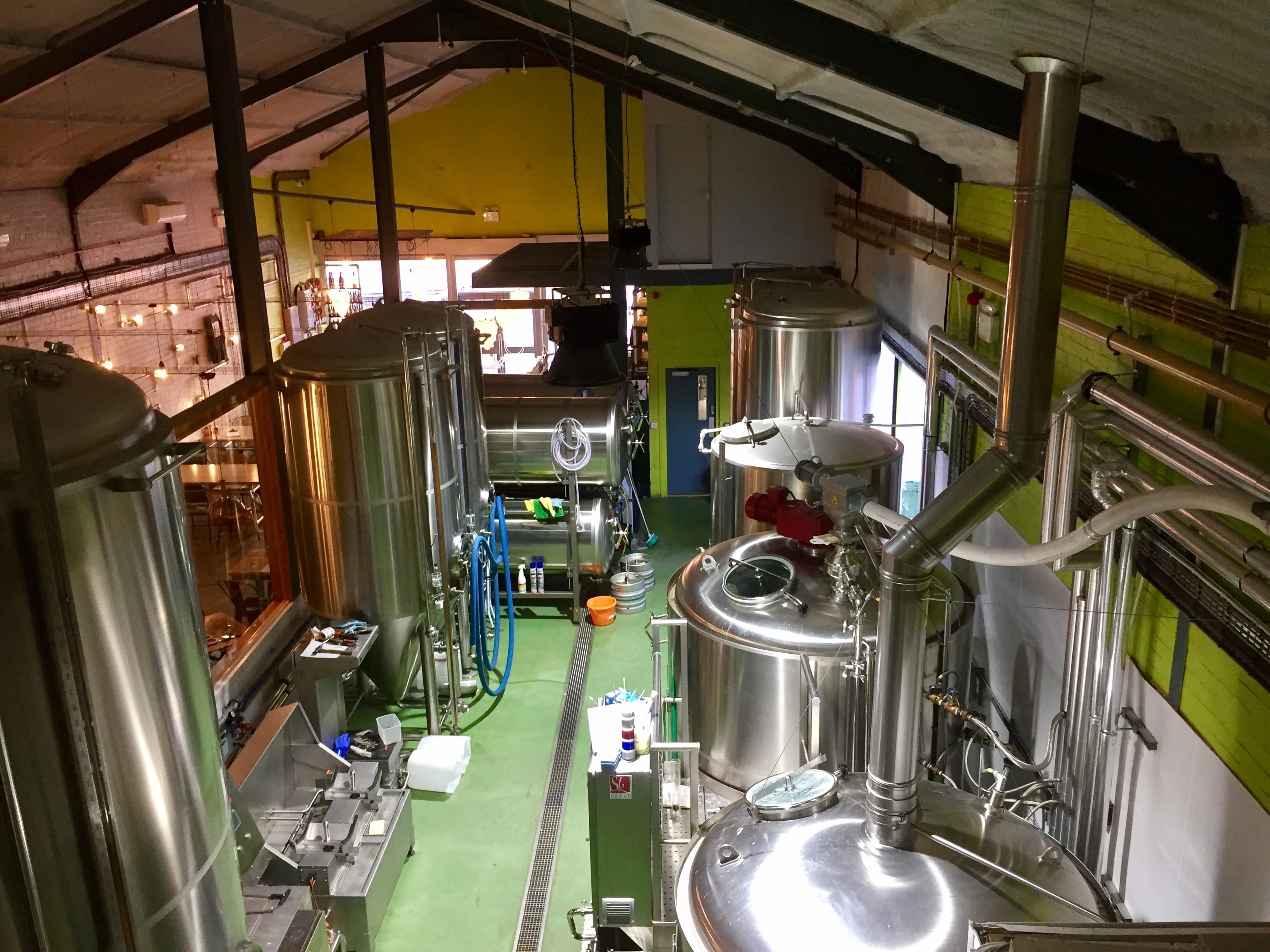

Polyurethane resin flooring provides a floor with excellent resistance to impact, abrasion and most chemicals. It can often be seen in the industrial sector within factories, warehouses and production plants.
Durable and Versatile: Another benefit of resin floors is that they are durable and versatile. They can be customised to the client’s individual needs and so can be installed in a variety of environments. They are slip-resistant and are ideal for public environments and various commercial setups.
Slip Resistance in Floors: Finally, floors with added slip resistance are a requirement in many commercial and industrial environments. This is why resin floor paints and resin coating products are so popular. Aggregate can be added to an epoxy resin, polyurethane and polyaspartic systems for added grip. This creates a safer floor to work on which can be vital in environments where liquids are used or where dampness/moisture can occur.
If you are not familiar with resin flooring and the different types available, epoxy resin is the one you might recognize as it is the most well-known system. Epoxy resin bonds with concrete, making it an ideal coating if you already have a concrete floor that you want to customize or enhance the hardness/wearability without damaging the concrete. Because epoxy systems have a low odour, are a vapor-permeable option, and possess excellent dustproofing properties, epoxy is often installed as a hygienic flooring system. This is suitable for food and drink factories, laboratories, and departments within the health sector. From a commercial perspective, epoxy resin is a customizable option with a wide variety of decorative effects available and numerous color options. Additionally, epoxy resin is a durable car park flooring solution. It is a functional, easy-to-clean, and easy-to-maintain option for resin floor coatings.
Variety of colours: Another advantage of resin flooring is that it can be installed in a wide range of colors. This means you can achieve a professional finish that fits harmoniously with your environment. We can provide you with chevroning for your epoxy resin floors as well. Furthermore, if you opt for a flake finish floor, you can create your own blend of colors to suit your preferences. Additionally, you can add silver glitter or rainbow effect glitter to that blend.
Slip Resistance in Floors: Floors with added slip resistance are a requirement in many commercial and industrial environments, which is why resin floor paints and resin coating products are so popular. Aggregate can be added to epoxy resin, polyurethane, and polyaspartic systems for enhanced grip, creating a safer floor to work on. Examples of such environments include food and drink factories, breweries/microbreweries, industrial factories, manufacturing plants, and within the automotive industry, such as garages, showrooms, and workshops.
Repair of damages: Another benefit of epoxy resin floors is that you can repair damages. You can localize a repair so that you don’t have to replace your entire floor surface, which can be particularly beneficial when repairs are needed for a large floor area. It is often cost-effective to replace just a section of the floor rather than the whole surface.
Hygienic flooring solutions: Finally, epoxy systems feature a low odour, are a vapor-permeable option, and offer excellent dustproofing properties. This makes them suitable for food and drink factories, laboratories, and departments within the health sector.
In some cases, the time it takes for the installation of a resin system can be a deciding factor. A polyaspartic floor still holds the same desired durability as epoxy and polyurethane but has a significant reduction in cure time. Polyaspartic is a fast cure resin coating which means its cure time is reduced making it the ideal choice as a fast track resin flooring option.
In conclusion, before the installation of a resin system takes place, there are many things to consider. Firstly you must have an understanding of what properties you want your floor to have. For instance, what level of chemical resistance the resin should provide. Another property to consider is how quickly you need the floor to be ready. As well as this, it is important to make sure your flooring contractor knows all the properties you require so that they can make the right decision.
In addition to this, you must make sure that the floor which you have already is properly dealt with before a resin is installed. This may mean taking off the current floor or laying a screed on top before the resin. Monarch offers free technical advice, so if you are struggling to pick the ideal floor paint for you we can help make that choice for you. We can also visit you on site and take a look at the floor so that you can get the right advice free of charge.
Furthermore, we install resin flooring throughout the UK and have 30 years experience in our trade.
We would love to speak with you about your resin flooring project.
Feel free to reach out using the below details or fill out the contact form and a member of our team will get in touch with you within 48 hours.
We never pass on any of your information to third parties and will only get in touch about the flooring project your enquiring about.
We never pass on any of your information to third parties and will only get in touch about the flooring project your enquiring about.